Insights
We regularly share insights on sustainability and ESG reporting. From practical cases and interviews with frontrunners to analyses on regulatory developments, e.g. CSRD, or Scope 3 carbon accounting and supply chain collaboration.
Browse our latest publications below.
Terugblik op The Future of Corporate Reporting 2026: rapporten opleveren of waarde creëren?

Meer dan 150 finance- en duurzaamheidsprofessionals kwamen samen rond één vraag: hoe wordt corporate reporting een sturingsinstrument?
Van nul naar SBTi doel in zes maanden: de aanpak van Heuschen & Schrouff

Geen CSRD-verplichting, geen bestaande CO2-rapportage. Toch stond H&S zes maanden na de start met een Science Based Targets initiative (SBTi)-doel. Lees hier hoe.
Acomo legt basis voor klimaatstrategie met scope 3-inzicht
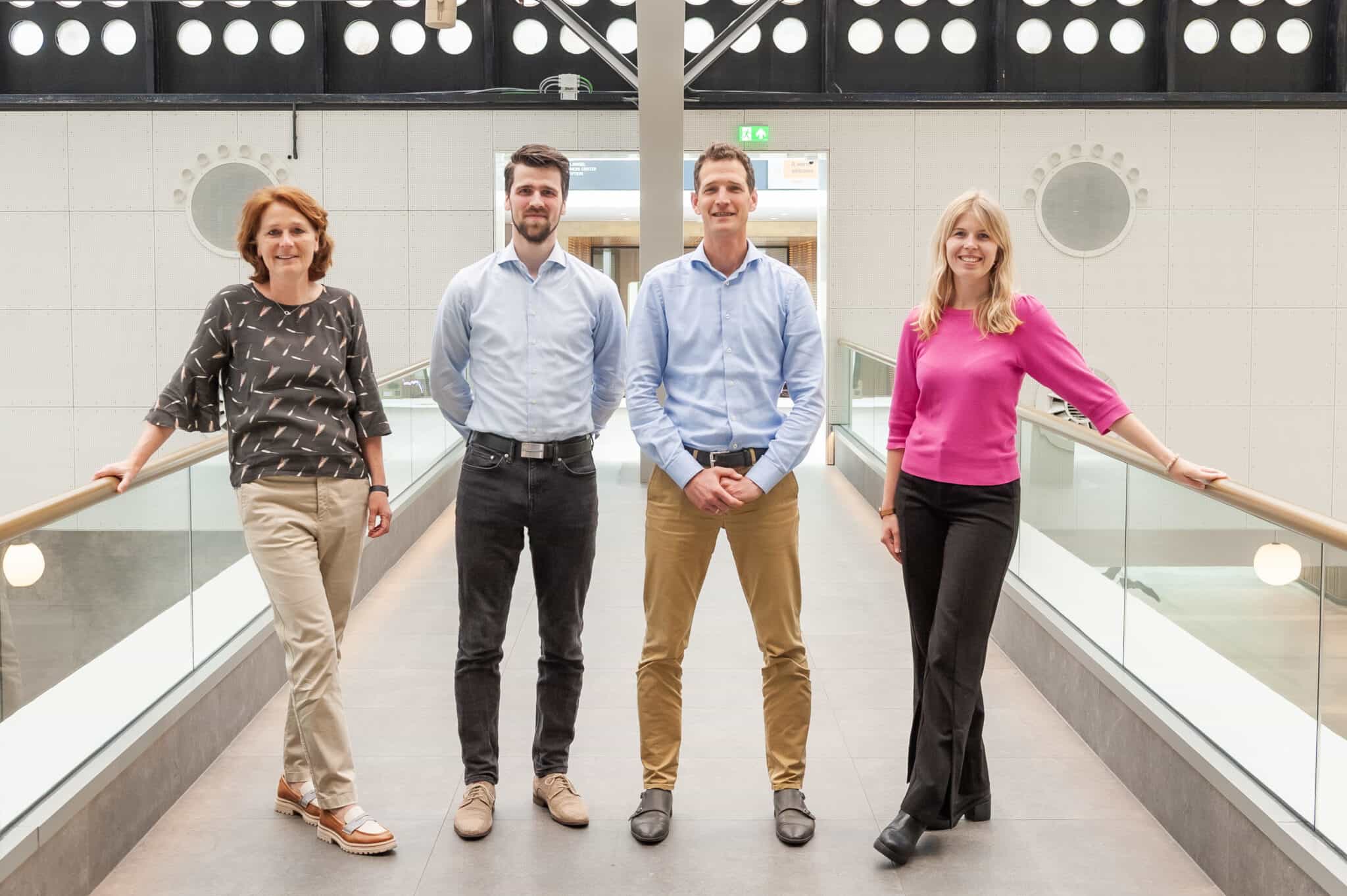
Meer dan 600 producten, ongeveer 100 herkomstlanden, uiteenlopende supply chains: scope 3 in kaart brengen is voor Acomo allesbehalve eenvoudig. Toch zette de internationale groep van voedingsingrediëntenbedrijven een grote stap. Samen met Intire werkten ze toe naar een reproduceerbaar proces – als fundament voor een strategisch en goed onderbouwd transitieplan.
5 vragen aan Royal Brinkman over duurzaamheid in de tuinbouw
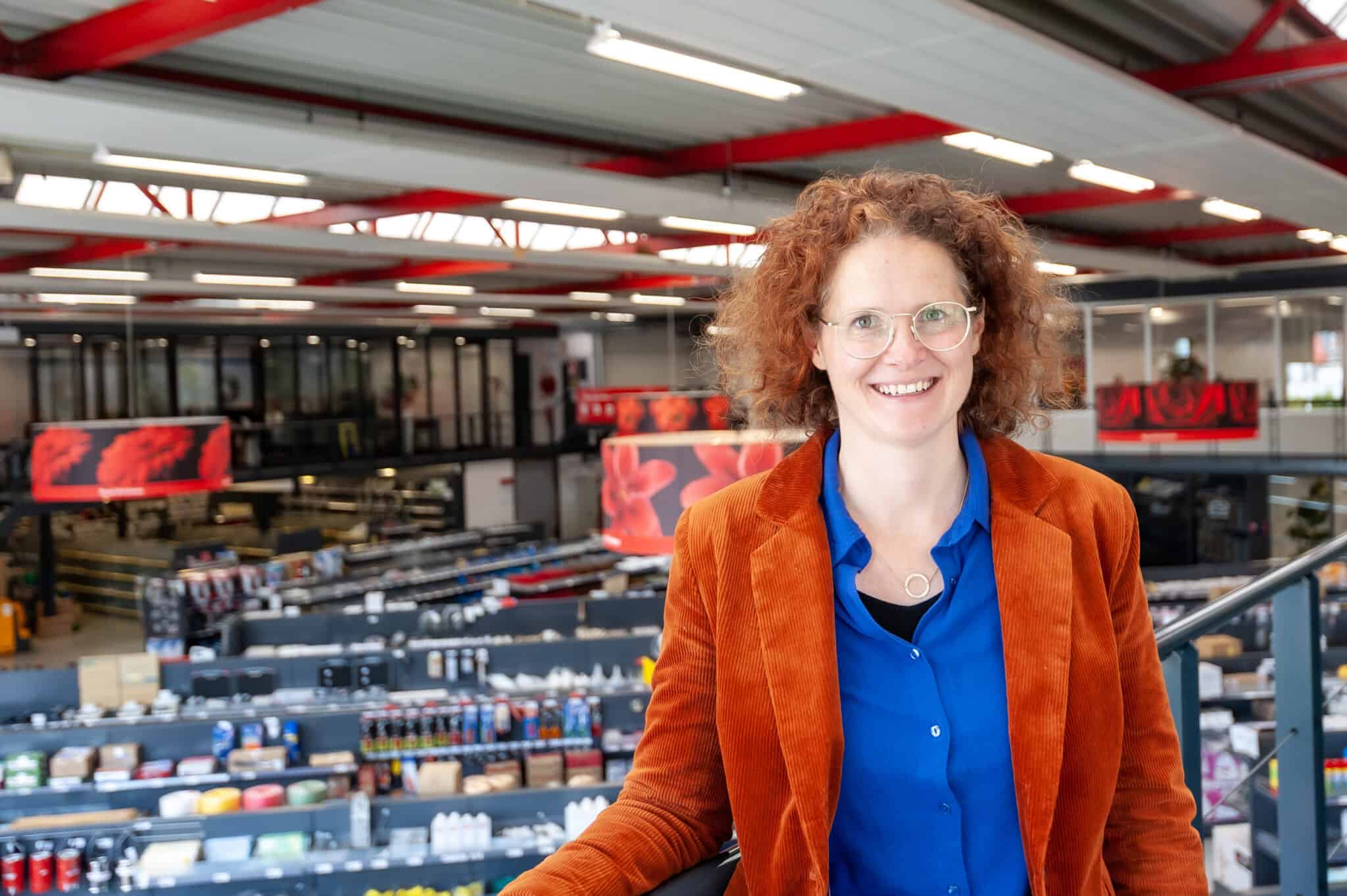
Royal Brinkman speelt een cruciale rol in de verduurzaming van de tuinbouw. Innovatiemanager Maartje Jung deelt hoe innovatie en ketensamenwerking impact maken. Ontdek hoe zij met concrete strategieën de sector transformeren.
Hoe Priva met een heldere reportingstrategie stuurt op impact

PP Group – bekend als Parlevliet & Van der Plas – is een van de grootste visserijbedrijven van Europa. Al sinds 2020 werkt het familiebedrijf gestructureerd aan het uitbreiden van de duurzaamheidsrapportages, samen met o.a. Intire en met inzet van de softwareapplicatie Beezzz. Annelies en Brigitta Parlevliet vertellen over de aanpak die werkt.
Hoe PP Group jaar na jaar haar duurzaamheidsaanpak versterkt

PP Group – bekend als Parlevliet & Van der Plas – is een van de grootste visserijbedrijven van Europa. Al sinds 2020 werkt het familiebedrijf gestructureerd aan het uitbreiden van de duurzaamheidsrapportages, samen met o.a. Intire en met inzet van de softwareapplicatie Beezzz. Annelies en Brigitta Parlevliet vertellen over de aanpak die werkt.
Deforestation regulation: EUDR
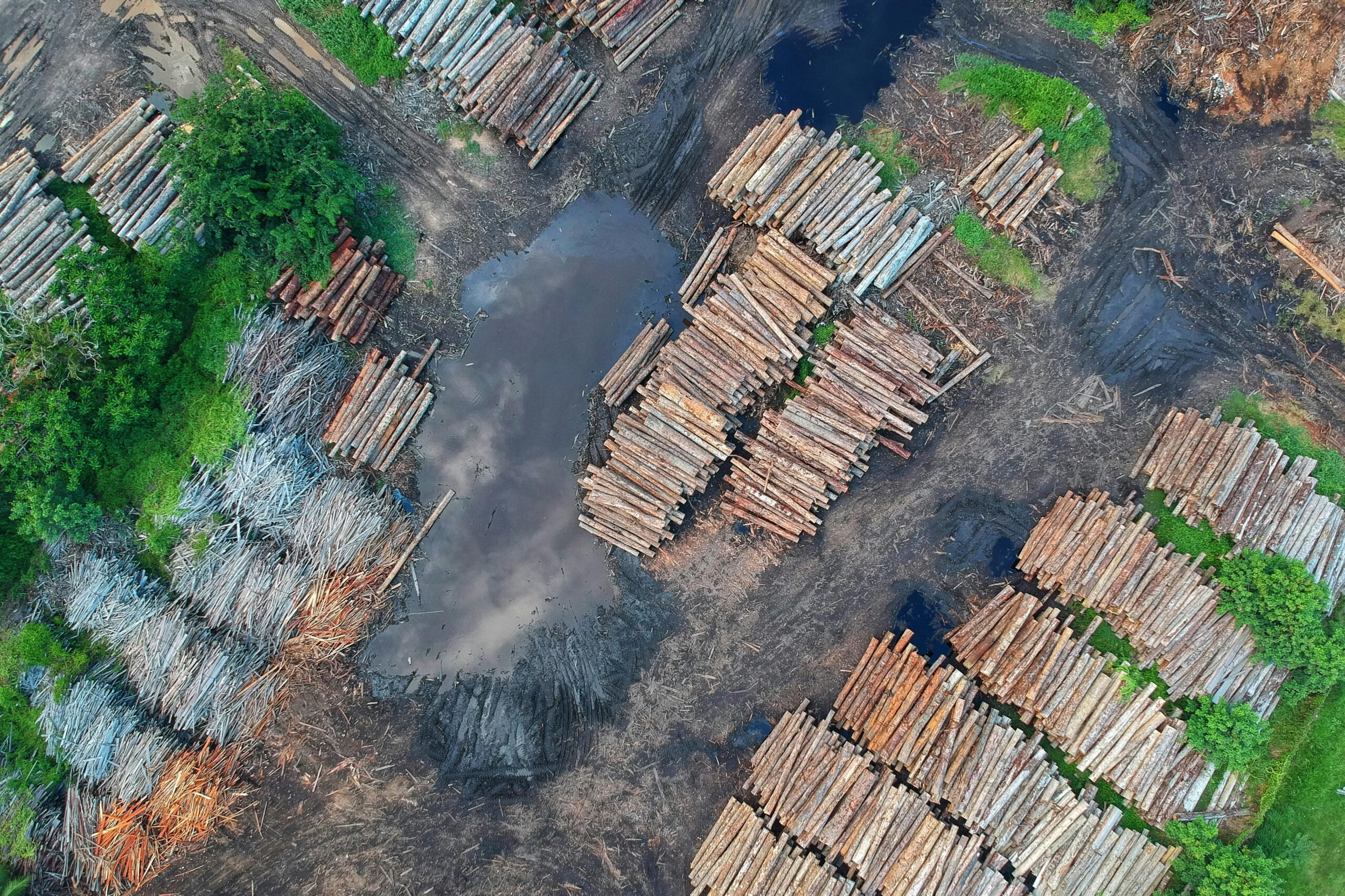
Find out more about the deforestation regulation requirements and how you can get started with the steps towards due diligence compliance under the EUDR
Guide: Is your organization ready for CSRD implementation?

This one-pager highlights three common challenges organizations face when moving beyond preparation, and offers a practical checklist to help you assess your CSRD readiness.
What the Omnibus simplification means on the ground: insights from peer discussions

Less pressure, more questions: what happens when sustainability reporting gets simplified? Get a behind-the-scenes look at how professionals responded during our Omnibus strategy session, sharing how the changes are shaping real-world decisions and strategic direction.
Hoe Swiss Sense een grondige dubbele materialiteitsanalyse (DMA) aanpakt

Swiss Sense, een toonaangevend Nederlands familiebedrijf dat een breed scala aan slaapoplossingen biedt, ging aan de slag om haar strategische duurzaamheidsonderwerpen in kaart te brengen. Lees hier de ervaringen en geleerde lessen met de DMA en toolselectie
De visie van Huib Costermans, CFO bij Delta Fiber

Een duurzaam bedrijf zonder gezonde financiële basis? Geen optie. Dat is de heldere visie van Huib Costermans, CFO van glasvezelbedrijf Delta Fiber. Tijdens TFOCR 2025 vertelt Huib hoe hij zijn rol als financieel bestuurder hierin ziet. Ook deelt hij hoe duurzaamheid steeds meer verweven wordt met de dagelijkse praktijk.
The Future of Corporate Reporting 2025: finance en duurzaamheid vinden elkaar steeds beter

Het huwelijk tussen finance en duurzaamheid? Dat blijkt verrassend vaak goed te werken. Tijdens de twaalfde editie van TFOCR – The Future of Corporate Reporting – komen financials, duurzaamheidsprofessionals, projectmanagers en andere specialisten samen. Die mix van mensen die met allemaal met geïntegreerde rapportages werken, zorgt voor nieuwe inzichten én veel energie.
Geïntegreerd rapporteren vanuit het perspectief van de accountant
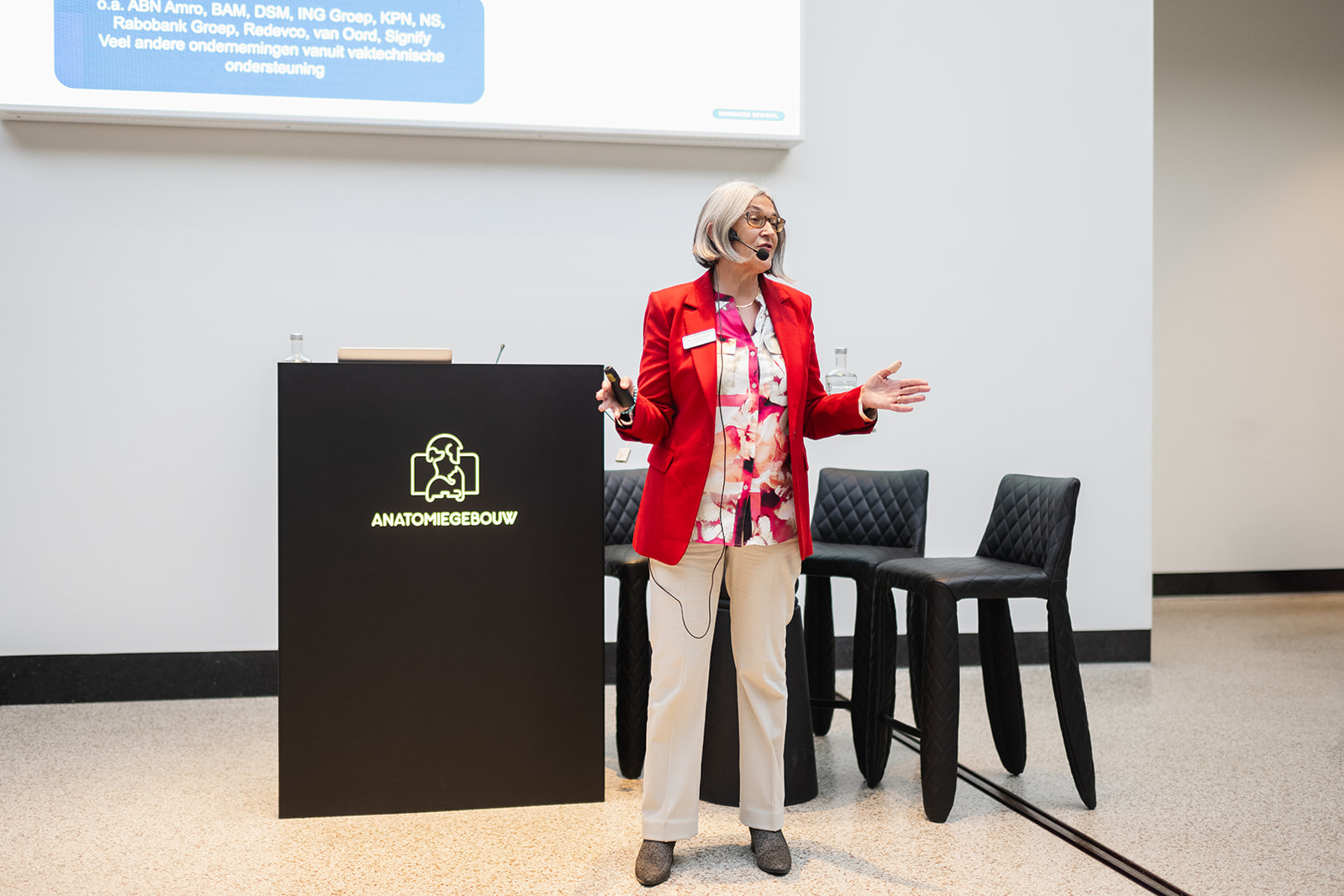
Tijdens The Future of Corporate Reporting (TFOCR) 2025 maken Prof. dr. Nancy Kamp-Roelands en Jelle Mattias Holwerda duidelijk: de toekomst van verslaggeving ligt in verbinding en consistentie.
CSRD bij Heijmans en de rol van Bouwend Nederland

The EU’s Corporate Sustainability Due Diligence Directive (CSDDD) hasn’t even taken effect yet—but the Omnibus proposal is already reshaping it. From a narrowed scope to a delayed start (2028), the rules are shifting. In part 3 of our Omnibus blog series, we explain what’s changing, what it means for your business, and how to prepare with purpose—beyond compliance.
The Omnibus Series – Harmonizing the CSDDD
The EU’s Corporate Sustainability Due Diligence Directive (CSDDD) hasn’t even taken effect yet—but the Omnibus proposal is already reshaping it. From a narrowed scope to a delayed start (2028), the rules are shifting. In part 3 of our Omnibus blog series, we explain what’s changing, what it means for your business, and how to prepare with purpose—beyond compliance.
The Omnibus Series – Amending the EU taxonomy

The Omnibus proposal raises the threshold for mandatory EU Taxonomy reporting to 450 million euro turnover, freeing many companies from detailed disclosures. But with this flexibility comes choice: continue reporting voluntarily or let it go? In part 2 of our Omnibus blog series, we break down the proposed changes and share how companies—whether relieved or committed—can make strategic decisions moving forward.
The Omnibus Series – Recalibrating the CSRD

The European Commission’s new Omnibus proposal could delay CSRD reporting obligations by two years and raise the employee threshold to 1,000—drastically changing who needs to report and when. In this 3-part blog series, we break down what’s changing, what it means for your business, and how you can turn uncertainty into opportunity.
How Royal Cosun chooses its sustainability management software
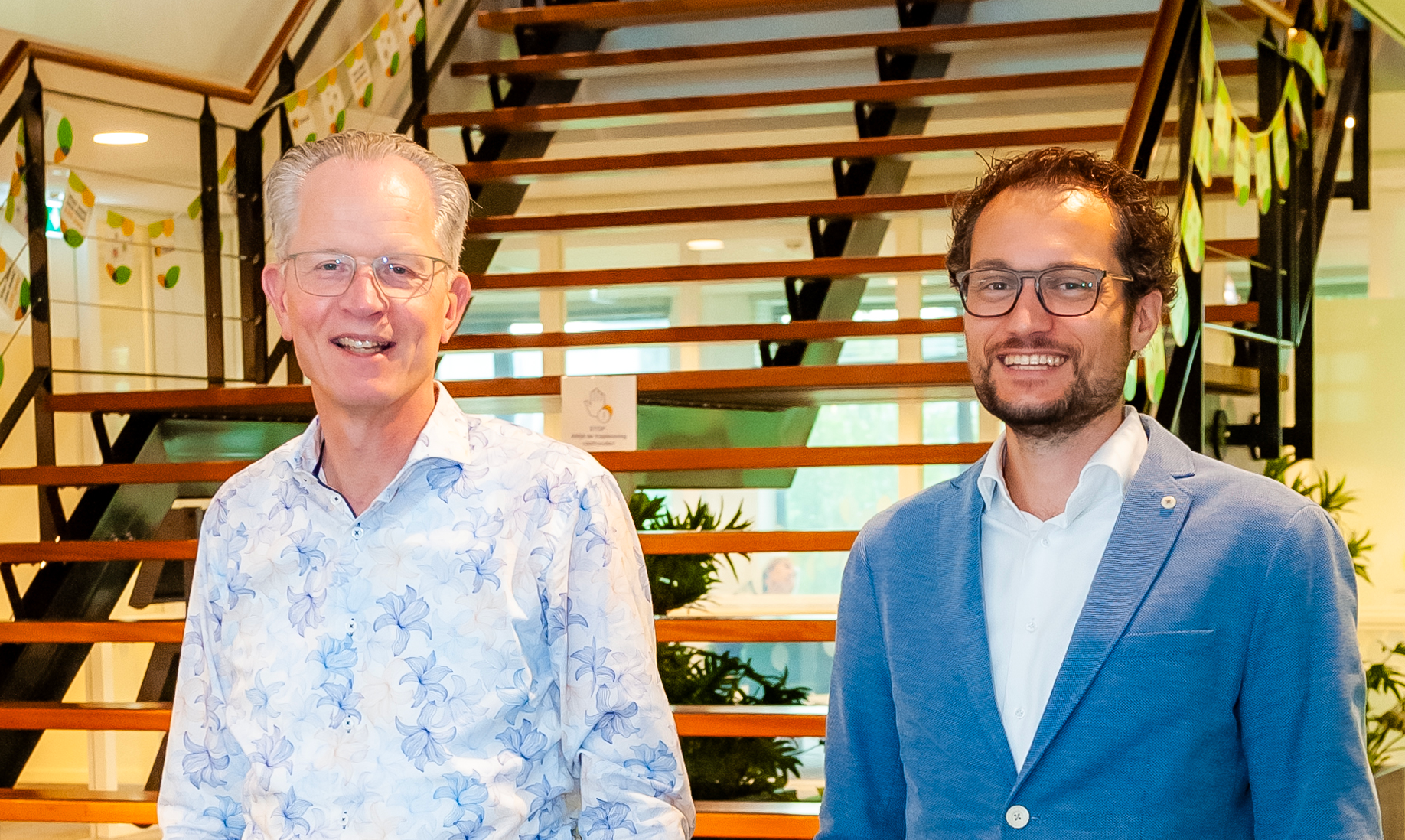
Royal Cosun partnered with Intire to select and implement a sustainability management system to meet CSRD requirements and support strategic KPIs. With operations in 20+ countries and 200+ data points to manage, Intire’s independent guidance and proven selection process helped Cosun choose Beezzz, a low-code Microsoft-based system, ensuring robust, auditable sustainability reporting.
Stakeholder engagement for CSRD: A step-by-step guide
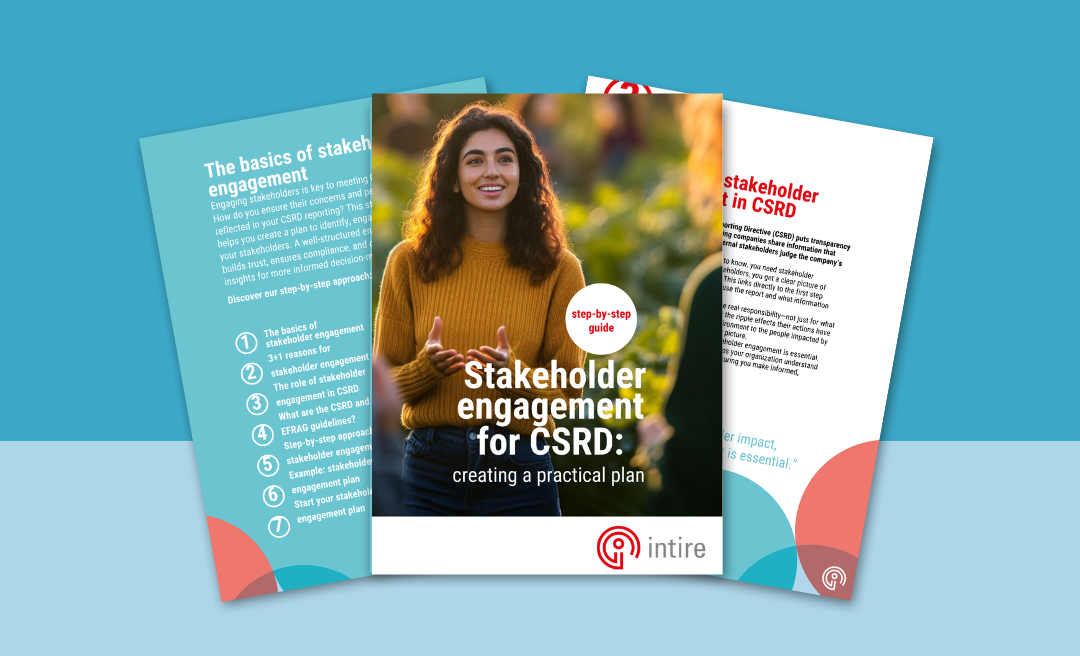
This whitepaper offers a structured approach to help you build a stakeholder engagement plan aligned with CSRD guidelines.
5 tips on how to start collecting your sustainability data

Getting sufficient and correct sustainability data is crucial for your sustainability strategy. Reliable data enables you to monitor your progress and report on your goals and activities. However, collecting the…
7 Tips for creating a great sustainability report

Sustainability is an important topic for an increasing number of companies. This trend is driven by idealistic motives, but also by the opportunities that sustainability offers. This is because employees,…
From Reports to Results: Integrating the CSRD into Your Corporate Strategy

Unlock sustainable growth with the Corporate Sustainability Reporting Directive (CSRD). This EU regulation enhances transparency by requiring businesses to disclose ESG performance, embedding sustainability into strategy. Our blog explores how double materiality analysis, aligned action plans, and stakeholder engagement can future-proof your organization and drive lasting value.
Overcoming the pitfalls of a DMA: insights from our consultancy experience

Overcoming the pitfalls of a Double Materiality Assessment (DMA) is crucial in today’s ESG-focused landscape. At Intire, we help companies address common DMA challenges, including interpreting ESG topics accurately, distinguishing impacts, risks, and opportunities, and aligning with ESRS standards to enhance ESG reporting and strategy. Learn how to avoid these key pitfalls and strengthen your sustainability efforts.
Understanding the Differences Between Reporting Scope 1 & 2, and Scope 3 Emissions
With the CSRD’s sector-specific reporting standards (ESRS) coming in 2026, companies must report all GHG emissions, including often-overlooked Scope 3 emissions. Scope 3 covers indirect emissions in your value chain, which can account for up to 80% of total emissions, making data collection and analysis complex. Accurate Scope 3 reporting is crucial for compliance and climate change mitigation. Contact us for expert assistance in navigating this intricate process.
Goal-oriented preparation for CSRD at 123inkt.nl
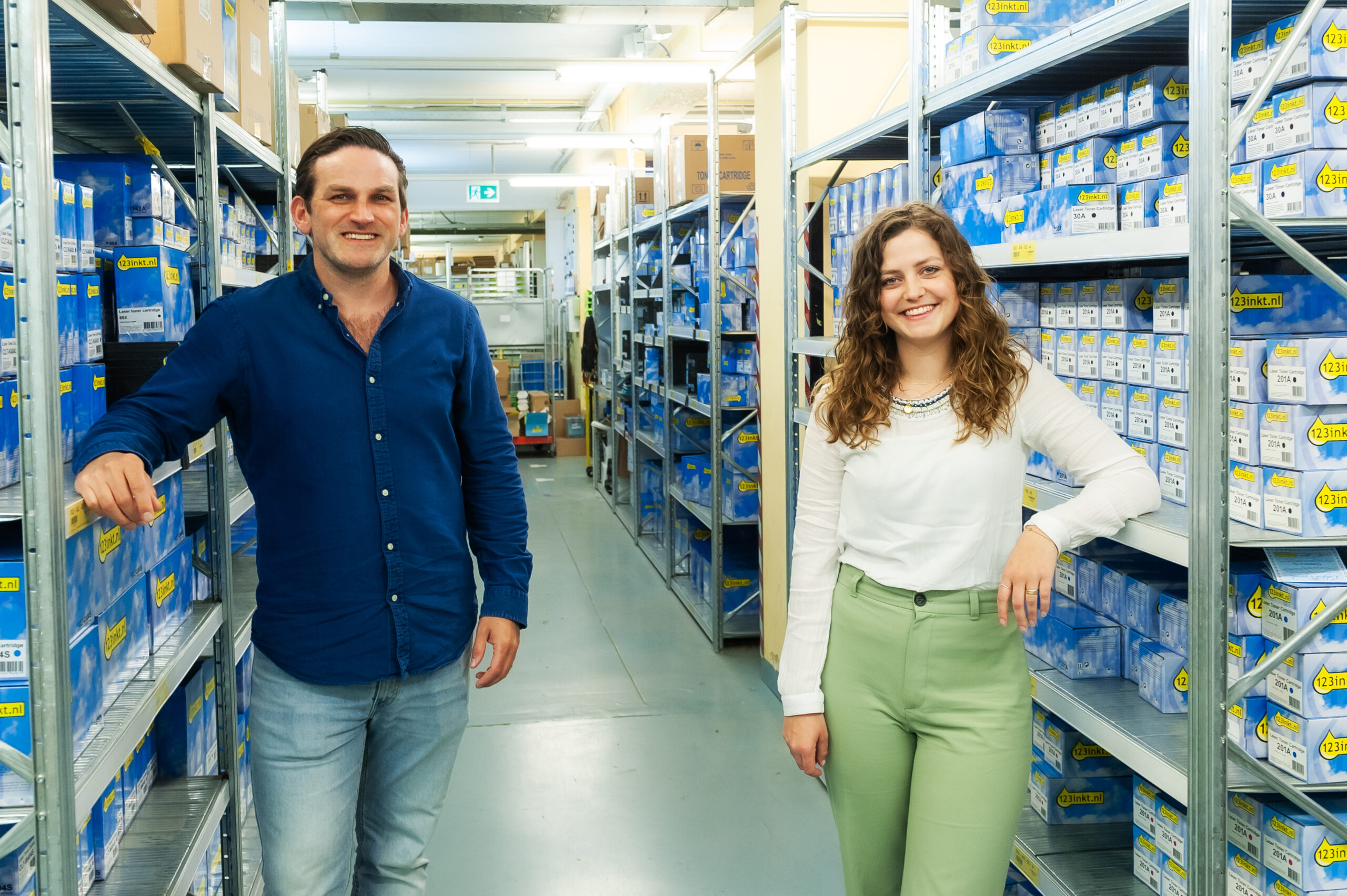
123inkt.nl Achieves CSRD Compliance with Intire’s Coaching
123inkt.nl is leading the way in CSRD (Corporate Sustainability Reporting Directive) compliance using Intire’s pragmatic coaching approach. This method helped them perform a double materiality analysis, prepare required reports, and initiate necessary actions. With a focus on sustainable products, operations, and social engagement, 123inkt.nl is committed to sustainability and future market demands.
Three Key Dilemmas when dealing with the CSRD
Reporting according to the CSRD can be quite a complicated task. In this blog we have a look at the three dilemma’s that companies are facing and how we suggest approaching these important decisions.
The Carbon Border Adjustment Mechanism: A Fair Step towards Climate Neutrality

Carbon Border Adjustment Mechanism is a European regulation under which importers of goods have to pay for CO2 emitted in the production of goods outside of the EU. With this regulation, the European Union aims to put products from the EU (which are under stricter CO2 rules) on equal stance with their competing products from outside Europe. Read more about the new reporting regulation that is going to change the way importers work.
Navigating the Nexus: CSDDD and CSRD Alignment Unveiled

The die is cast: The Corporate Sustainability Due Diligence Directive (CSDDD), also known as CS3D, has been adopted by the European Union on 15 March. But what does this mean for your corporation, and how does it relate to the Corporate Sustainability Reporting Directive (CSRD)?
Navigating ESRS Sector Standards

With the first set of ESRS standards out, we are looking at the next steps in the regulatory development of the CSRD. The ESRS sector standards are being developed as we speak. With another set of reporting standards coming your way, you might want to know more about what it entails for your organization. Intire looked into the details and what these new requirements mean for organizations in different sectors.
Financial Materiality in Sustainability Reporting

You might have heard about financial materiality before. Perhaps you have even chatted to colleagues from the finance or sustainability department about it. But did you know they might not be talking about the same concept? Read this blog to find out more about the differences and similarities of financial materiality in sustainability and finance.
Doelgerichte voorbereiding op CSRD bij 123inkt.nl
123inkt.nl loopt voorop in het naleven van de CSRD (Corporate Sustainability Reporting Directive) door gebruik te maken van Intire’s pragmatische coachingsaanpak. Deze methode hielp hen bij het uitvoeren van een dubbele materialiteitsanalyse, het opstellen van vereiste rapporten en het initiëren van noodzakelijke acties. Met een focus op duurzame producten, bedrijfsvoering en maatschappelijke betrokkenheid zet 123inkt.nl zich in voor duurzaamheid en toekomstige markteisen.
Projectmanagement in duurzaamheid: Marieke vertelt
Marieke is een van onze sustainability reporting consultants bij Intire – ze vertelt over haar ervaring als starter in de duurzaamheidssector: wat zijn de obstakels? wat zijn de uitdagingen? Waar…
Relieving the pressure of the CSRD with Phase-In measures

With the CSRD coming up, a lot of companies are dealing with the task of making their non-financial reporting compliant with the new regulations. In this challenging process, there is some relief: the phase-in of CSRD requirements.
Hoe pak je verduurzaming aan in je organisatie? Intergamma vertelt!
In deze podcast helpen we je op weg met verduurzaming van je organisatie en de voorbereiding op de komende CSRD met de hulp van Sustainability Director Margreeth Pape van Intergamma,…
Sustainability technology as the number one solution for reaching your organizational ESG goals

“The most successful software investments are those that align with the principles of sustainability, focusing on enduring value rather than short-term gains.” (Quote made by AI technology). Present Day organizational…
What are Science Based Targets and how can they strengthen your sustainability strategy?
The CSRD provides guidelines on how to report, but what happens after? How can you use the collected data to set a strategy? How can you set ambitious goals? One framework that can help is to define Science Based Targets (SBTs). This blog explores the critical role of SBTs and their integration with the CSRD, highlighting the benefits they offer in driving corporate responsibility and ensuring a sustainable future.
How to start with sustainability reporting: Value Creation Model
The Corporate Sustainability Reporting Directive (CSRD) is impacting companies in a significant way. As reporting organizations are working to assess the impact of the Directive, we receive an increased number of questions on where to start the journey to become CSRD-compliant. CSRD requires large companies and certain public-interest entities to disclose information on their ESG impacts in their annual reports.
Unearthing the Corporate Reporting Landscape: An Interview with Eelco Van der Enden, CEO of GRI
Eelco Van der Enden has joined us for an interview about his view on the corporate reporting landscape. As CEO of the Global Reporting Initiative (GRI), we are curious what…
How to start with sustainability reporting: double materiality
The Corporate Sustainability Reporting Directive (CSRD), is a widely known buzzword and new EU law that requires large companies and certain public-interest entities to disclose information on their ESG impacts in their annual financial reports. This new and demanding regulation drives companies in their sustainability reporting journey. A well-known starting point for (sustainability) reporting is the materiality assessment. The CSRD introduces a new dimension to this assessment: double materiality.
Interview: Leen Paape, professor Corporate Governance

Leen Paape is a professor of Corporate Governance at the Nyenrode Business School. He is a renowned expert in corporate governance and has written several books and articles on the subject, as well as lecturing extensively around the world. He has won numerous awards for his research and teaching, and is a sought-after speaker on the topic. In this interview, we will discuss his views on the current state of corporate governance and reporting, his research, and his outlook on the future of the field.
In the news: CSRD in effect

Over the last few weeks, it’s been hard to miss the buzz around the anticipated acceptance of the Corporate Sustainability Reporting Directive (CSRD). On November 10th, the European Parliament has approved the proposed directive (with 85% of the Parliament in favor!), which will become effective as of for the first group of corporations in the beginning of next year at the latest. With the acceptance of the Directive, the sustainability reporting standards have seen updates as well.
Directive on Corporate Sustainability Due Diligence (CSDD)
The Directive on Corporate Sustainability Due Diligence, also known as CSDD, is part of the ‘Fit for 55’-package and the European Green Deal. The CSDD has a very close link with the CSRD. According to the CSRD, a company must establish processes to properly collect information for reporting purposes. This obligation is closely related to the due diligence obligation established under the CSDD directive to identify negative impacts. Furthermore, companies falling within the scope of both directives must report (CSRD) on their due diligence obligations (CSDD). The proposed directive will result in more complete and effective reporting by companies under the CSRD directive.
SFDR
Three regulations have been introduced: the EU Taxonomy, the Corporate Sustainability Reporting Directive (CSRD) and the Sustainable Finance Disclosure Regulation (SFDR). The first two are applicable to all large companies, while the SFDR is purely for the financial market. This blog will delve into what the SFDR is, what it means for the financial market and why it is important.
CSRD regulation timeline
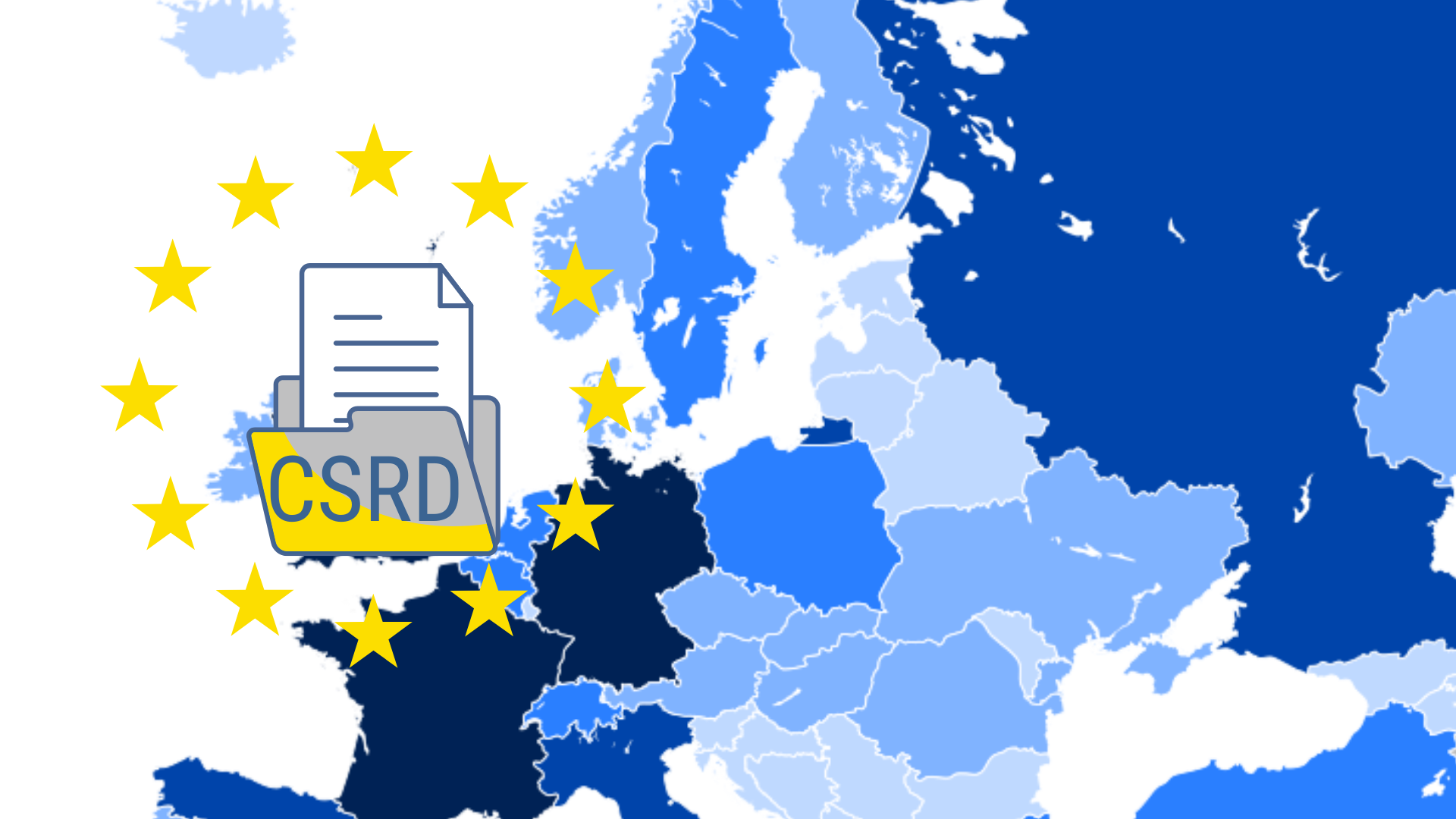
The CSRD, a topic many organizations will be facing soon. However, there is quite some misunderstanding, misinformation, and general unclarity about the upcoming CSRD regulation. What do you need to…
TCFD
The TCFD, also known as Taskforce on Climate-related Financial Disclosure, was created in 2015 by the FSB (Financial Stability Board) as a framework for the financial sector to consider climate…
EU Taxonomy – 2022 update

Since its initial publication in mid-2020, the EU Taxonomy has been generating a lot of interest from companies and individuals alike. You can read all about the basics of the…
What is CSRD?

As of the reporting year 2023, all large or listed companies within the EU will have to report according to the new CSRD (Corporate Sustainability Reporting Directive). This directive is…
GRI – update 2021
On the 5th of October 2021, the Global Reporting Initiative (GRI) presented its most substantial update to the global standards since its start in 2016. The most significant change can…
EU Taxonomy – 2021 update

Starting January 2022, approximately 12,000 public interest companies are required to indicate whether their economic activities are eligible for the EU Taxonomy. Since its initial publication in mid-2020, the EU…
Engaging sustainability report at Borr Drilling

Borr Drilling, a modern international drilling company, aims to integrate sustainability into its business. The first step in the journey towards sustainability was to create a separate sustainability report. The…